A concrete shop or garage slab in South Carolina should be 4 inches thick for standard passenger vehicles (up to 6,000 lbs), 5 to 6 inches thick for heavy three-quarter ton trucks, RVs, and two-post vehicle lifts, and 6 to 8 inches thick for commercial agricultural machinery and forklift loading. All slabs require a 4-inch compacted stone base, 4,000 PSI concrete, and tied #4 steel rebar.
Engineering Standards: Matching Slab Thickness to Axle Loads
Pouring a concrete slab for a detached workshop, pole barn, garage, or commercial agricultural building is a permanent structural decision. In Aiken County, North Augusta, and throughout South Carolina, building a detached workshop is one of the most popular property additions. However, underestimating slab thickness is the number one cause of cracked shop floors, pulled anchor bolts, and failed building inspections.
Concrete possesses immense compressive strength, but its capacity to resist bending and punching shear depends exponentially on slab thickness. A 6-inch slab provides more than double the load-bearing capacity of a 4-inch slab, despite requiring only 50% more concrete volume.
Investing in an engineered foundation—backed by certified Concrete Slabs & Foundations and professional Commercial Concrete specialists—ensures your building pad stands firm for decades without cracking.
Two-Post and Four-Post Vehicle Lift Foundation Requirements
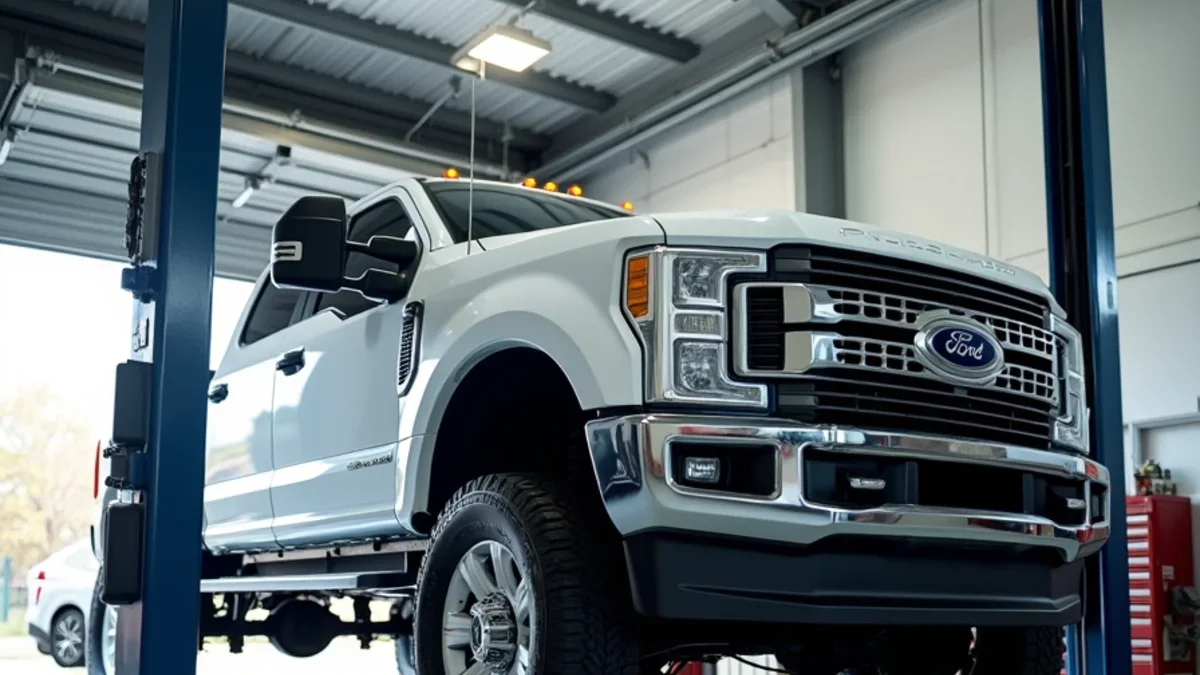
One of the most frequent requests from South Carolina shop builders is preparing a slab capable of anchoring a 9,000 to 12,000-pound automotive lift. Automotive lifts concentrate massive dynamic overturning forces and tension loads through small base plates.
Before pouring your shop floor, verify the manufacturer's engineering specifications (such as Rotary, BendPak, or Challenger Lift standards):
- Minimum Slab Thickness: Standard two-post lifts require a minimum 4.5 to 6 inches of continuous concrete depth. A standard 4-inch residential floor is insufficient.
- Concrete Compressive Strength: Minimum 3,500 to 4,000 PSI at 28-day cure.
- Anchor Embedment Clearance: Standard 3/4-inch wedge anchors require at least 4.25 inches of structural embedment without hitting subterranean stone base or hollow voids.
- Edge Distance Restrictions: Anchors must be drilled at least 6 to 8 inches away from any control joint, saw cut, or slab edge to prevent blowout under tension.
- Thickened Equipment Pads: For homeowners building a 4-inch shop floor who plan to install a lift, FPC Construction forms dedicated 6-inch to 8-inch thickened equipment pads (typically 12x12 feet) beneath the lift post locations.
The Foundation Beneath the Slab: Compacting Crusher Run
A concrete slab does not float on air; it transfers building and vehicle weight directly into the ground beneath. In South Carolina, the biggest cause of cracked shop slabs is pouring directly over unprepared topsoil or uncompacted Sandhills sand.
Our site preparation protocol follows rigorous engineering standards:
- Topsoil Stripping: Excavate all organic loam, pine needles, and roots down to firm native subsoil.
- Moisture Conditioning: Adjust subgrade moisture to achieve optimal compaction density.
- CR-14 Crusher-Run Stone Base: Spread a minimum 4-inch layer of South Carolina DOT approved crushed granite aggregate.
- Mechanical Plate Compaction: Compact the aggregate bed in 2-inch lifts to 95% Standard Proctor density using reversible plate compactors.
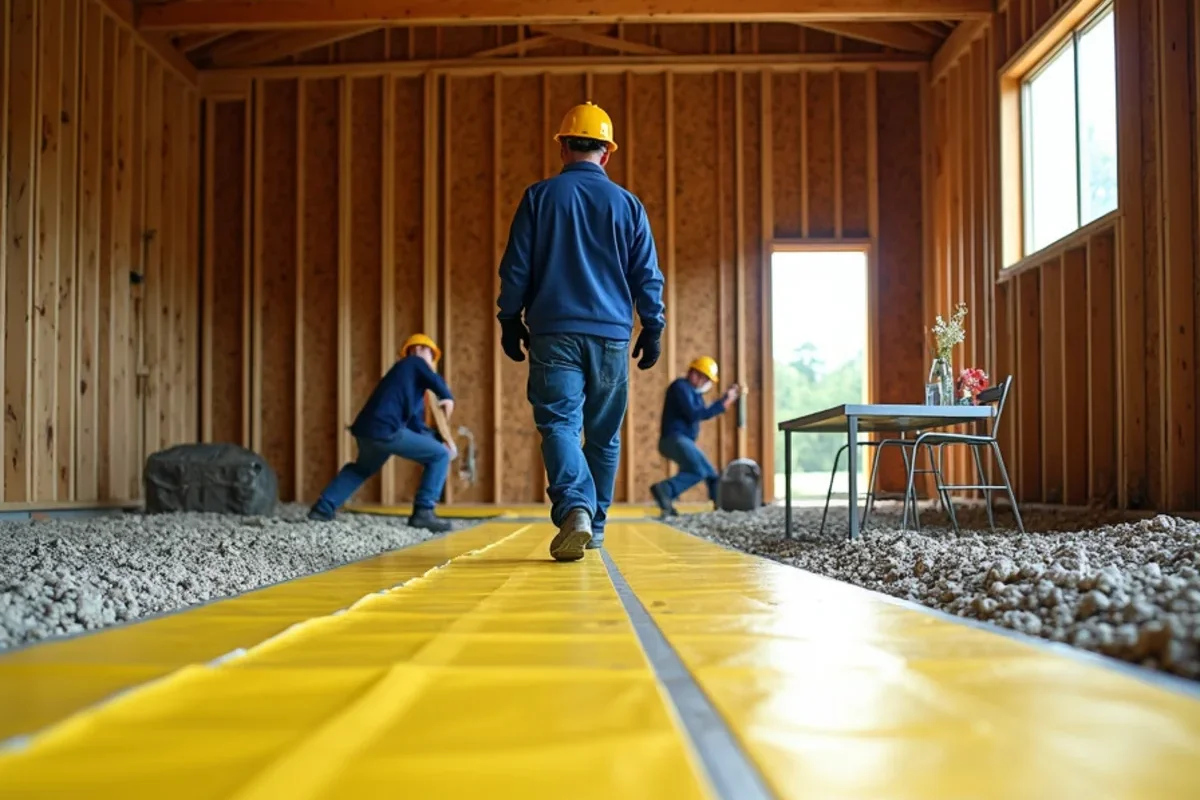
- 15-Mil True Poly Vapor Barrier: Install heavy-duty, puncture-resistant vapor retarders with taped seams to permanently stop ground moisture vapor from sweating into the shop.
Reinforcement Breakdown: Why #4 Rebar Outperforms Wire Mesh
A critical structural debate among contractors is steel reinforcement: welded wire mesh (WWM) versus tied steel rebar.
- The Problem with Wire Mesh: Flimsy 6x6 welded wire fabric comes in rolls. During concrete placement, workers trample the mesh into the bottom of the pour. When the concrete cures, the wire is sitting in the dirt at the bottom of the slab where it provides zero structural reinforcement.
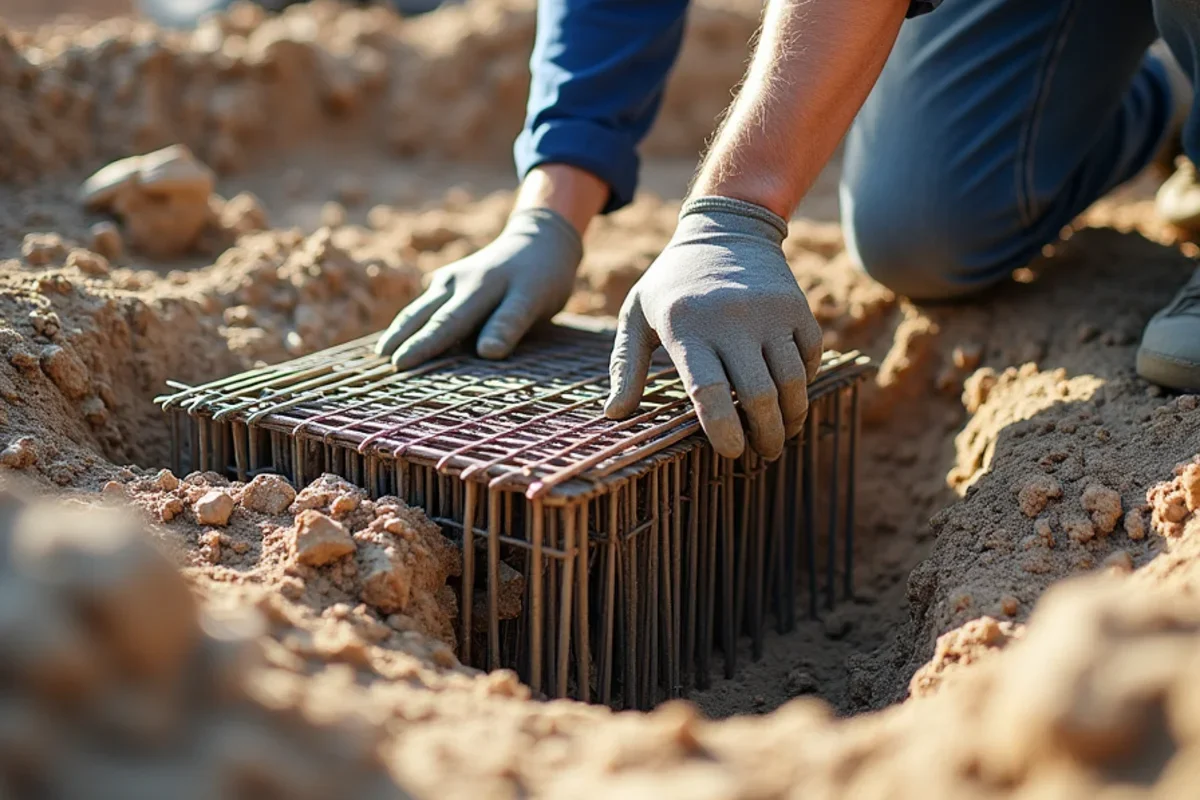
- The Rebar Advantage: FPC Construction exclusively installs Grade 60 #4 steel rebar (1/2-inch diameter) tied in 16-to-18-inch square grids. We support the entire rebar matrix on heavy plastic chairs ('dobies') elevated in the middle third of the slab depth. This suspended steel matrix provides tremendous tensile strength, preventing slab deflection under heavy truck axles.
Monolithic Grade Beams and Turn-Down Footings for Metal Buildings
Pre-engineered metal buildings, pole barns, and steel shops impose substantial wind uplift and perimeter roof loads. A uniform flat slab will crack along the perimeter when structural building columns are bolted to it.
To provide code-compliant structural bearing, we engineer monolithic turn-down footings:
- Perimeter Grade Beam: The slab perimeter turns down 12 to 18 inches below grade, tapering into a wide, reinforced footing trench.
- Continuous Rebar Cages: We place horizontal #4 or #5 rebar cages tied with stirrups inside the perimeter grade beam to resist building settlement and wind shear.
- Anchor Bolt Chase Sleeves: We coordinate precision placement of heavy structural anchor bolt clusters for steel building rigid frames.
Comprehensive Shop Slab Engineering Specification Table
| Use Case & Vehicle Types | Recommended Slab Depth | Ready-Mix PSI Strength | Steel Reinforcement Spec | Base Prep Requirements |
|---|---|---|---|---|
| Standard Workshop / Hobby Car | 4.0 Inches | 4,000 PSI | #4 Rebar on 18" centers | 4" Compacted CR-14 Stone |
| Heavy Pickup, RV, Boat Storage | 5.0 Inches | 4,000 PSI | #4 Rebar on 16" centers | 4" Compacted CR-14 Stone |
| Two-Post Automotive Lift | 6.0 Inches (or 8" pad) | 4,000+ PSI | Double #4 Rebar Matrix | 6" Compacted CR-14 Stone |
| Agricultural Tractor / Equipment | 6.0 Inches | 4,500 PSI | #4 Rebar on 12" centers | 6" Compacted CR-14 Stone |
| Commercial Semi-Truck / Forklift | 7.0 – 8.0 Inches | 4,500+ PSI | #5 Rebar on 12" centers | 8" Compacted GABC Stone |
Next Steps: Build Your Workshop on an Unyielding Foundation
Do not risk your building investment on an underspecified concrete pad. Contact FPC Construction at (833) 334-0468 for a free on-site engineering survey, laser grading assessment, and written itemized quote within 24 hours.
Edge Beam Detailing and Rebar Cage Fabrication
Heavy detached shop slabs require reinforced perimeter edge beams to resist wind uplift and localized wall loads from pre-engineered metal building columns. FPC Construction excavates continuous 12 to 18-inch deep perimeter turn-down footings, placing tied Grade 60 #4 or #5 rebar cages elevated on commercial concrete chairs. This perimeter grade beam anchors the structure against soil movement, bridges variations in native subgrades, and provides safe structural embedment for high-strength steel anchor bolts.
Point Loading from Two-Post Vehicle Hoists and Forklift Front Axles
When property owners design a residential workshop or commercial maintenance shop in Aiken County, they frequently overlook the massive localized stresses generated by automotive equipment. A standard two-post vehicle lift holding an 8,000 lb truck concentrates roughly 4,000 lbs across two small steel baseplates measuring only 12x12 inches. If the slab is poured at an ordinary 4-inch residential thickness, these concentrated point loads generate intense punching shear stresses that crack the concrete around anchor bolts. Lift manufacturers typically mandate a minimum slab thickness of 6 inches with 4,000 PSI compressive strength and #4 rebar on 12-inch centers, or dedicated 12-inch thickened footings directly beneath hoist mounting columns. Similarly, industrial forklifts carrying palletized goods concentrate up to 85% of their total gross weight onto front solid-rubber tires, creating localized dynamic pressures that require heavy-duty slab depth design.
Vapor Retarder Selection: Class A 15-Mil Polyolefin Under Slab to Prevent Sweating
In the humid subtropical climate of South Carolina, uninsulated concrete shop slabs frequently suffer from 'sweating slab syndrome' during seasonal temperature shifts. Warm, moisture-saturated spring air condenses on cold concrete surfaces, while ground moisture continuously wicks upward through porous slab capillaries. Installing a cheap 6-mil generic polyethylene sheeting beneath the slab is a common mistake; construction traffic and rebar placement puncture thin plastic, rendering it useless. Professional shop specifications require a rugged ASTM E1745 Class A 15-mil virgin polyolefin vapor retarder with sealed seams using specialized butyl vapor tape. This puncture-resistant moisture barrier halts capillary vapor drive completely, keeping workshop floors bone-dry and safeguarding precision tools, welders, and stored vehicles against corrosion and condensation damage.
Speak Directly with a South Carolina Concrete Specialist
Guaranteed 1-hour callback · On-site evaluation in 48 hours · Free written estimate
Article Frequently Asked Questions
Key takeaways and common homeowner inquiries answered by our concrete team.